
Mobile gaming means playing video games on a phone or tablet instead of a console or PC. In the UK, the number of people who download a new game each month has risen from 5.2 million in 2019 to 7.8 million in 2023. That jump shows the shift from “just a pastime” to a daily activity for many.
How the Numbers Talk
In 2023, UK mobile gamers spent an average of 3.4 hours a week on games. That time is roughly equal to the amount of time spent watching streaming services. The median spend per user was £12.50 a month, a figure that includes in‑app purchases, ads and subscription fees. When you add the 1.2 million new players who joined last year, the market value climbed to £1.1 billion.
Device and Network Trends
Most players use smartphones; 82 % of downloads happen on Android, 18 % on iOS. 5G coverage, which reached 60 % of UK homes in 2023, has cut latency to under 50 ms for most games. That improvement lets developers create multiplayer experiences that feel as smooth as a local LAN party.
Why It Matters to Everyday Life
Mobile games now offer more than quick quizzes. Puzzle titles like “Monument Valley 2” require spatial reasoning that can sharpen problem‑solving skills. Rhythm apps such as “Dance Dance Revolution: World Tour” provide low‑impact cardio that fits into a busy commute. For parents, family‑friendly games like “Animal Crossing: Pocket Camp” can become a shared ritual that keeps kids engaged while parents relax.
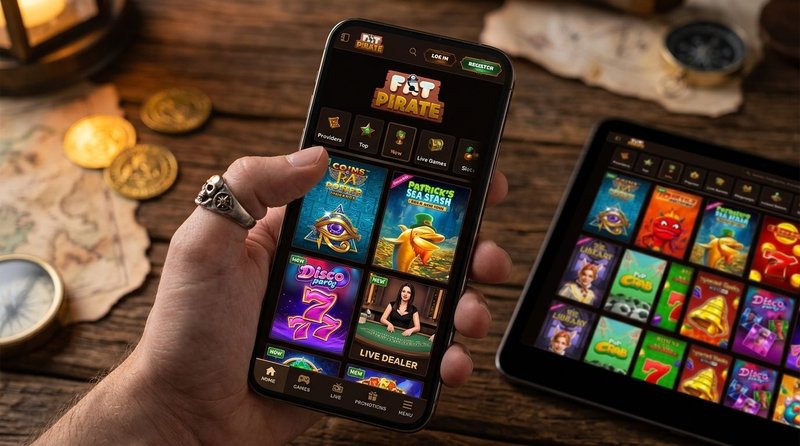
The Business Side of the Shift
Publishers are moving budgets from console‑only titles to “freemium” mobile releases. In 2023, 58 % of the UK’s top‑grossing games were free to download, with revenue coming from micro‑transactions. Developers report that a single in‑app purchase can generate up to £300,000 in a month, a figure that dwarfs the average revenue of a new console launch in the region.
Bridging to Online Gaming
Many people who enjoy mobile games also look for other online entertainment options. If you’re exploring alternatives, a good betting spot can offer a different kind of thrill while still keeping the convenience of a phone in your hand.
Limitations and Fair Play
Not every mobile game is a safe bet. About 12 % of free titles contain hidden “pay‑to‑win” mechanics that can trap players into spending more than they intended. Also, battery life can drop by 30 % after a full day of heavy gaming. Players who rely on older devices may find that the newest titles need an iOS 14 or Android 11 upgrade.
What the Future Looks Like
Virtual reality is starting to merge with mobile platforms. By 2025, the UK expects to see 300,000 VR‑enabled smartphones, allowing players to step inside a game without a headset. Augmented reality, already popular in games like “Pokémon Go”, is expanding into educational apps that let users explore historical sites through their screens.
Bottom Line
Mobile gaming is no longer a niche hobby; it’s a mainstream form of entertainment that rivals streaming and social media in daily time spent. The combination of widespread 5G, powerful devices and creative developers means that the next big game could be right in your pocket. Whether you’re a casual player or a hardcore enthusiast, the mobile platform offers a diverse range of experiences that fit into any lifestyle.